01
What AI readiness means
AI readiness means your people, policies, workflows, systems and leadership are prepared to use AI safely and usefully.
AI readiness is the bridge between interest and implementation. This checklist helps you understand where you are now, what needs to be controlled and how to move forward responsibly.
Senior leaders, managers, digital leads, quality leads, HR teams, education providers, businesses and organisations planning AI training or adoption.
AI readiness means your people, policies, workflows, systems and leadership are prepared to use AI safely and usefully.
A checklist turns AI from a vague opportunity into practical questions: who uses it, for what, with which data, under what rules and with what impact.
Readiness is not simply buying a tool. It includes training, governance, risk management, communication and ongoing improvement.
These principles make the guide easier to apply in real settings because they connect knowledge to decisions, habits and quality checks.
Leaders should define what AI is for and what it is not for in the organisation.
Agree data rules, unacceptable uses and review responsibilities before broad rollout.
Different teams need different examples, from teaching to admin, finance, HR and quality.
Test AI in controlled workflows before encouraging organisation-wide use.
Track time saved, quality improvements, risk reduction and staff confidence.
AI practice should be updated as tools, risks and organisational needs change.
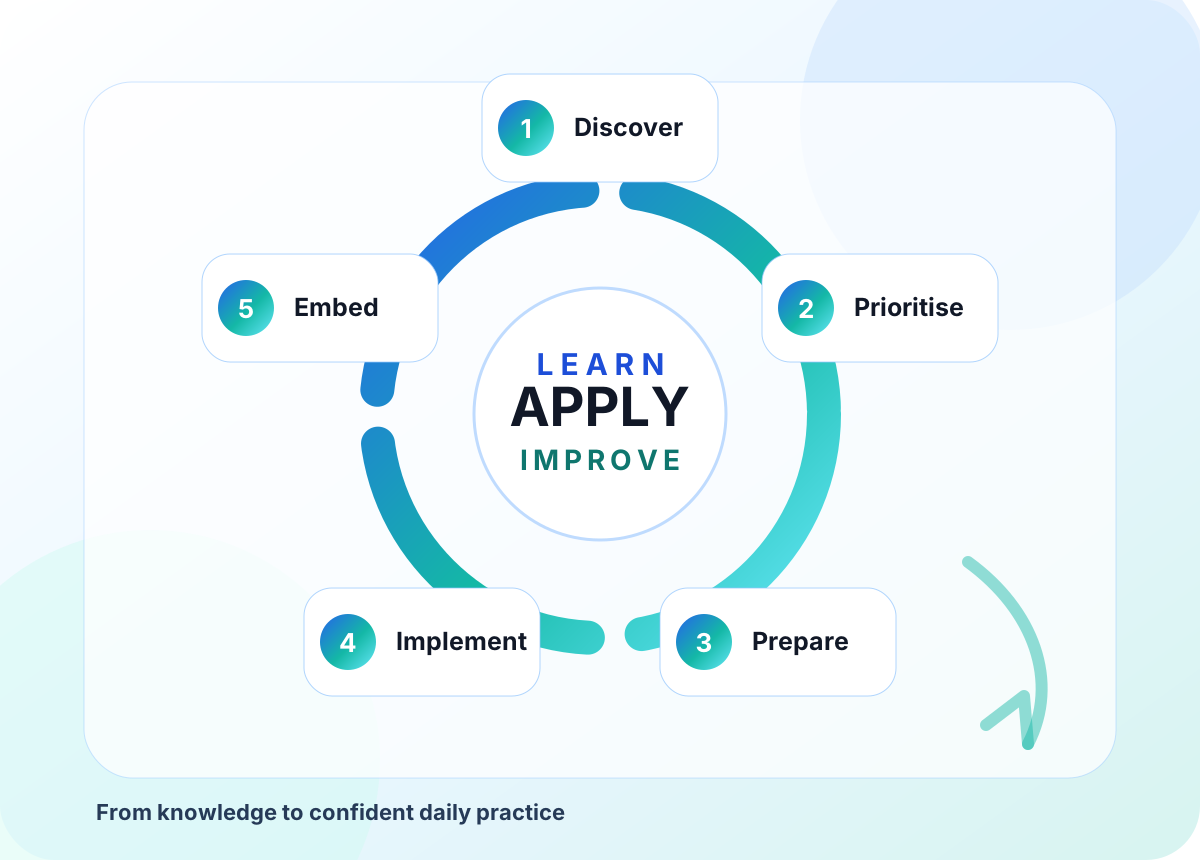
Use this flow as a practical route from first understanding to confident action, review and improvement.
Understand current staff use, opportunities, worries and informal practice.
Select workflows where AI can help and risk can be controlled.
Write policy, train staff and agree review points.
Run pilots with named owners and clear success measures.
Scale what works and review practice through governance.
These examples are deliberately practical so teams can connect the guide to real conversations, real learners, real customers and real quality expectations.
A training provider discovers tutors are already using AI informally. It creates safe prompt guidance, redesigns assessment checks and runs CPD for staff.
The important habit is to use the knowledge with review, context and a clear professional decision rather than treating a tool, template or checklist as the final answer.
A business wants AI for admin and customer support. It maps workflows, bans confidential data in open tools and pilots email drafting with human approval.
The important habit is to use the knowledge with review, context and a clear professional decision rather than treating a tool, template or checklist as the final answer.
A community organisation wants AI for newsletters and funding bids. It trains staff to protect personal stories, fact-check outputs and keep a consistent tone.
The important habit is to use the knowledge with review, context and a clear professional decision rather than treating a tool, template or checklist as the final answer.
Choose two or three actions first. Once those become normal practice, add the next layer. Sustainable improvement is better than a rushed rollout.
Good implementation is usually about clear judgement, consistent routines and knowing when to slow down.
Assuming staff are not using AI because no formal rollout has happened.
Writing a policy that is too vague for day-to-day decisions.
Focusing only on tools and not on workflows, people or quality.
Scaling quickly without reviewing risks and evidence of benefit.
HHF Training can support AI readiness reviews, digital transformation planning, staff CPD, safe implementation roadmaps and practical governance for education, business and community organisations.
Speak with HHF Training about AI training, cyber safety, CPD, assessment design, quality assurance or digital transformation support.